In the early hours of March 26, 2026
A promising 25 year old postgraduate medical student lost her life in Dehradun. Dr. Tanvi, a third year Master of Surgery (MS) student in Ophthalmology at Shri Guru Ram Rai Institute of Medical & Health Sciences (SGRRIMHS) was found unresponsive in her locked car parked near Patel Nagar. Police suspect suicide by intravenous injection. Reports indicate she was found with a cannula in her arm and a drip setup (reportedly potassium chloride) hung from the car's grab handle.Her father is an Ayurveda practitioner from Ambala, Haryana rushed to the scene after she stopped responding to his calls and messages.
Police have registered a case at Patelnagar Police Station and are investigating from multiple angles including the family’s allegation of harassment by her Head of Department.
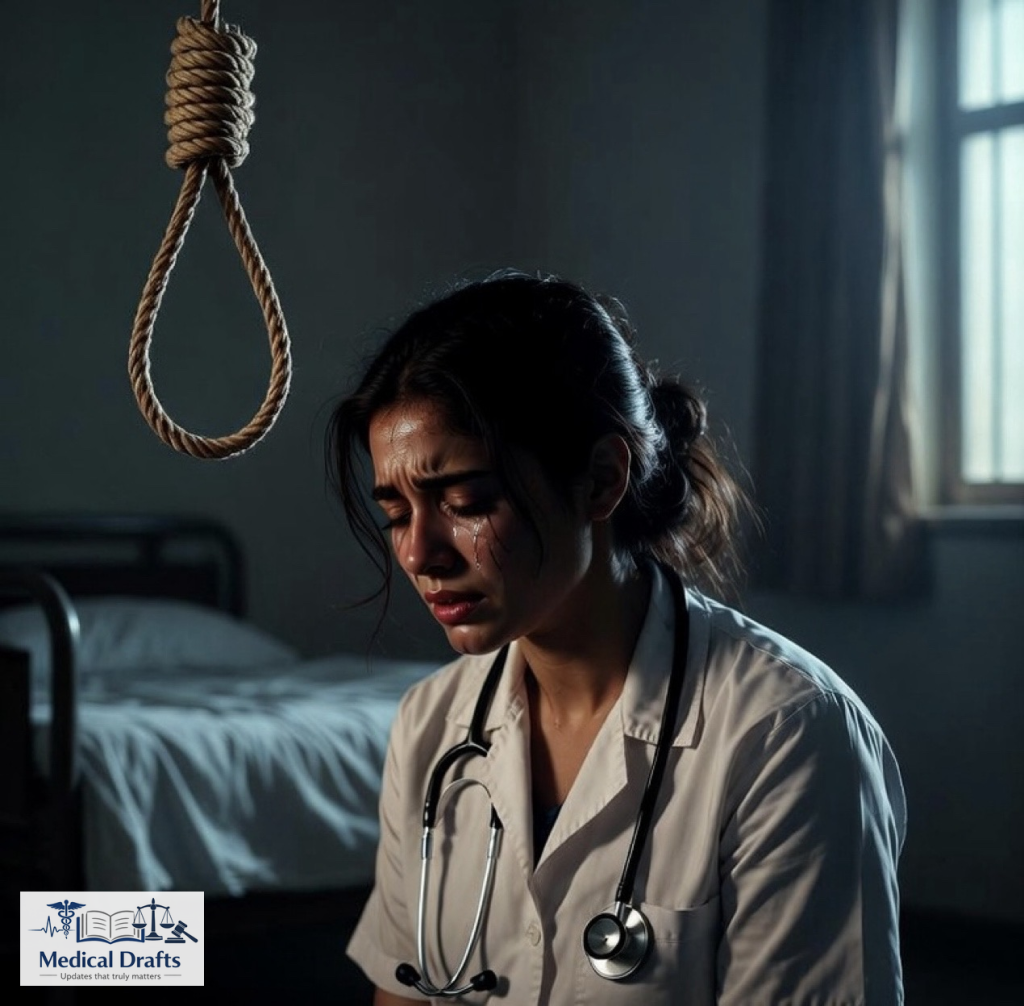
This heartbreaking incident is not an isolated tragedy. It has once again thrown a harsh spotlight on the silent mental health crisis gripping India’s medical education system. As a nation that produces some of the world’s finest doctors, we must ask ourselves: why are so many young, talented residents reaching breaking point?
The Human Cost of a High Pressure System
Dr. Tanvi had been pursuing her PG degree for three years while living in rented accommodation in Dehradun with her mother. According to her family, she had complained about intense pressure and alleged mistreatment at the institute. While the college authorities have not issued a detailed public statement at the time of writing, family complaint has led to an FIR, and authorities are probing claims of abetment to suicide.
Stories like Dr. Tanvi’s are becoming alarmingly common. In the past few years, multiple postgraduate students and junior doctors across India have died by suicide, often citing academic stress, long working hours, toxic hierarchies and lack of emotional support. National Medical Commission (NMC) and various studies have repeatedly highlighted alarming statistics:
- Over 30–40% of medical students and residents report symptoms of depression and anxiety.
- Suicide rates among medical students in India are estimated to be 1.5–2 times higher than the general population in the same age group.
- A 2023–2024 NMC mandated mental health survey across medical colleges found that nearly one in four PG residents felt “overwhelmed” on most days, with many citing 16–18 hour duty shifts and fear of failing exams or theses.
Why Medical Training Feels Like a Pressure Cooker
Medical postgraduate training in India is incredibly demanding. Residents handle heavy patient loads, night duties, academic presentations, research and thesis work all while living away from home. Add to this:
- Rigid hierarchy and alleged ragging-like behavior: Many residents report being shouted at, given impossible targets or facing public humiliation for minor mistakes.
- Financial and career pressure: Huge education loans, competitive exams like NEET PG and the fear of “wasting” years if they don’t perform.
- Stigma around seeking help: Admitting you’re struggling is often seen as weakness in a profession that prides itself on resilience.
- Lack of structured support: While some colleges have started counseling cells, many remain poorly funded or under utilized.
Dr. Tanvi’s case like several before it, raises questions about workplace safety and dignity for resident doctors. When young professionals feel they have “no way out,” the consequences can be devastating.
A Call for Systemic Change – Not Just Sympathy
We cannot keep offering condolences after every tragedy and then move on. Real change requires action at multiple levels:
- Mandatory Mental Health Support: Every medical college should have a fully functional, confidential counseling center with trained psychologists available 24×7. Regular mental health check-ins should be part of the curriculum.
- Duty Hour Regulations: The NMC must strictly enforce reasonable working hours (already mandated but often ignored) and ensure residents get at least one day off per week.
- Anti-Harassment Policies: Clear grievance redressal mechanisms with independent committees that protect residents from retaliation when they report mistreatment.
- Awareness and Training: Faculty should undergo sensitivity training. Senior doctors must model healthy work-life balance instead of glorifying “burnout culture.”
- Parental and Peer Support Networks: Families and batchmates should be educated on warning signs and encouraged to speak up early.
The good news is that change is possible. Some forward thinking institutions have already introduced wellness programs, peer support groups and even yoga/meditation sessions with measurable improvements in resident satisfaction.
Honoring Dr. Tanvi’s Memory
Dr. Tanvi’s smile in the photographs shared by her family shows a bright young woman who wanted to heal others. Her loss reminds us that doctors are human too. They bleed, they cry and sometimes they need help carrying the weight of other people’s pain.
As we demand justice and answers in this case, let us also commit to preventing the next tragedy. India’s future doctors deserve an education system that nurtures their minds and protects their hearts not one that breaks them.
Let this be the last time we read about a young doctor dying by suicide because the system failed them.