Incidents like this understandably make people nervous, especially when hospitals are supposed to be places of healing but this event also offers a clear opportunity to learn. Fires in medical facilities are rare, yet they highlight why robust safety systems matter so much. In this article we’ll walk through what we know about the Anandalok Hospital situation look at why such events can happen and most importantly share practical, easy to follow advice that can help protect you and your loved ones in any healthcare setting. Whether you’re currently admitted, visiting a family member or simply want to be better prepared, these insights can give you confidence and peace of mind.
What Happened at Anandalok Hospital Today
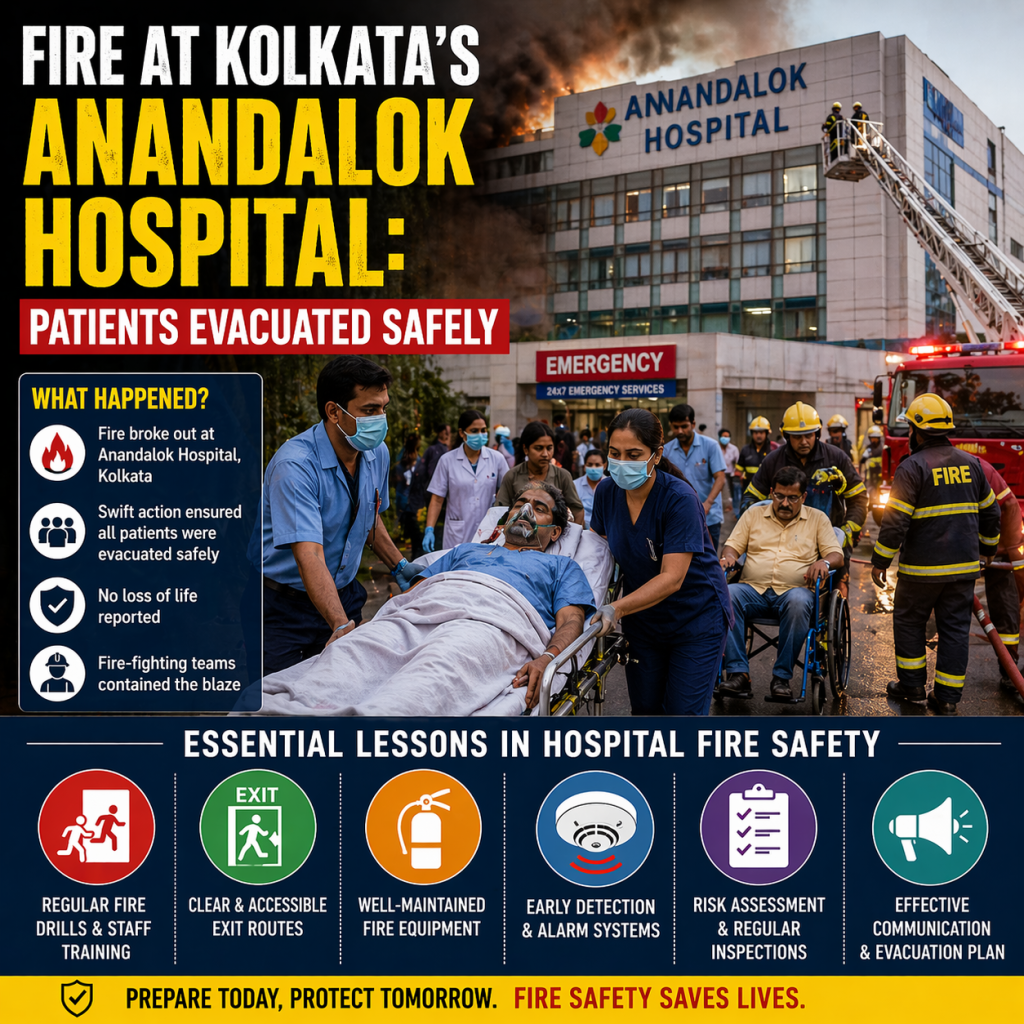
According to reports from the hospital, fire started in the operation theatre wing, likely due to an electrical issue involving an air conditioning unit. Smoke soon filled parts of the second floor, triggering alarms and prompting an immediate response. Staff followed established emergency protocols. Ambulatory patients walked out with assistance while those in wheelchairs or beds were moved using horizontal evacuation methods shifting people to safer areas on the same floor or to adjacent buildings rather than using stairs or elevators in the early stages. Firefighters arrived promptly and worked alongside hospital teams to contain the smoke and flames. By mid morning, situation was stable and normal operations are expected to resume soon in unaffected areas.
Hospital spokespersons emphasized that regular fire drills and well maintained safety equipment played a key role in the smooth evacuation. No patients or staff required medical treatment related to the incident, which is the best possible outcome in such a scenario.
Why Hospitals Face Unique Fire Risks
Hospitals are complex environments. Unlike homes or offices, they house oxygen cylinders, flammable medical supplies, electrical medical devices and patients who may have limited mobility. Even small sparks can escalate quickly when combined with these factors.
Common causes of hospital fires in India and around the world include:
- Electrical faults,overloaded circuits, faulty wiring or aging air conditioning and heating systems.
- Improper storage or handling of medical gases like oxygen.
- Kitchen areas or laundry facilities where heat sources are present.
- Construction or renovation work that temporarily disrupts safety systems.
In a busy multi specialty hospital like Anandalok which serves hundreds of patients daily, these risks are managed through layered safeguards but no system is perfect. A momentary lapse in maintenance or an unexpected overload can create an opening for trouble.
Indian Standards and Best Practices for Hospital Fire Safety
Healthcare facilities in India follow guidelines laid out in the National Building Code and standards set by accreditation bodies for hospitals. These cover everything from fire resistant building materials and automatic smoke detectors to clearly marked exits and regular staff training.
Key requirements usually include:
- Installation of sprinklers and fire alarms in critical areas.
- Smoke compartments that limit the spread of fire and smoke.
- Illuminated exit signs and emergency lighting that work even during power cuts.
- Designated fire safety officers and committees that conduct drills at least twice a year.
Anandalok incident shows these systems in action. Quick detection and trained staff response prevented a minor electrical fault from becoming something far more serious.
RACE Protocol: A Simple Framework Everyone Can Understand
One of the most widely taught approaches to hospital fires is the RACE protocol. It’s straightforward and effective:
R – Rescue
Remove anyone in immediate danger from the fire or smoke.
A – Alarm
Activate the nearest fire alarm and alert others.
C – Contain
Close doors and windows to slow the spread of smoke and flames (if safe to do so).
E – Evacuate or Extinguish
Leave the area following staff directions. Only attempt to extinguish a very small fire if you are trained and it is safe; otherwise, evacuate.
In today’s event at Anandalok Hospital, staff appear to have followed these steps efficiently, prioritizing patient rescue while containing the affected zone.
Practical Tips for Patients and Families
You don’t need to be a firefighter to stay safe. Here are simple actions you can take right now:
- Ask questions on admission
When you or a loved one is admitted, politely ask the nurse: “What is the fire evacuation plan for this ward?” Most hospitals are happy to explain. - Note the exits
Look for the nearest stairwell or safe zone when you arrive. It takes 30 seconds and could matter later. - Keep mobility aids ready
If you use a walker, wheelchair, or oxygen, make sure staff know your needs so they can plan accordingly. - Stay calm and follow instructions
Panic spreads faster than smoke. Trained staff know the best route—trust their guidance. - Pack smart
Keep important documents, medications, and a phone charger in a small bag that’s easy to grab.
Real life scenario: A friend of mine once visited his father in a different Kolkata hospital during a minor drill because he had asked about exits earlier, he was able to help move his father’s bed to the safe zone calmly when the alarm sounded. Small preparation made a big difference.
Actionable Steps for Hospital Administrators and Staff
For those running or working in healthcare facilities, the Anandalok event reinforces a few ongoing priorities:
- Schedule monthly electrical safety checks, especially for high-load equipment like AC units in operation theatres.
- Conduct unannounced fire drills that simulate real conditions (including patients with limited mobility).
- Maintain clear records of equipment maintenance and staff training.
- Invest in modern smoke detection and automatic suppression systems where budget allows.
- Review and update evacuation plans every six months.
A simple fire safety checklist posted in every ward can remind everyone of their role.
How Technology Is Changing Hospital Fire Response
Modern hospitals are increasingly using smart systems wireless smoke detectors that alert mobile phones, AI powered cameras that detect early heat signatures and digital evacuation maps that update in real time. While not every facility has these yet, they represent the direction healthcare safety is heading. Even basic upgrades like battery backed emergency lights and clearly labeled fire extinguishers make a measurable difference.
What This Means for You as a Patient or Caregiver
Takeaway from the Anandalok Hospital fire is reassuring rather than alarming. Systems worked. People were protected but it also reminds us that safety is a shared responsibility.
If you’re choosing a hospital for elective surgery or long term care, add these questions to your checklist:
- Does the hospital hold current fire safety certification?
- How often are drills conducted?
- Are there dedicated fire safety personnel on every shift?
These small checks can help you feel more confident about the care environment.
FAQ
1. What caused the fire at Anandalok Hospital?
Initial indications point to an electrical malfunction linked to an air conditioning unit in the operation theatre area. Investigations are ongoing but no other factors have been reported.
2. Were any patients or staff injured?
No, All patients were evacuated safely, and hospital authorities confirmed there were no injuries related to the fire or smoke.
3. What should I do if I’m in a hospital and the fire alarm goes off?
Stay calm, follow staff instructions, and move toward the nearest safe exit or designated assembly point. Do not use elevators. If you have mobility challenges, let staff know immediately.
4. How can hospitals prevent fires like this in the future?
Regular electrical audits, staff training, functional fire equipment, and strict adherence to national building and healthcare safety codes go a long way. Routine drills ensure everyone knows their role.
5. Is Anandalok Hospital safe to visit now?
Yes, affected area has been secured, the fire is out and the hospital is working to restore normal services. Always check directly with the hospital for the latest updates on specific departments.
Final Thoughts: Preparedness Is the Best Medicine
Fire at Anandalok Hospital in Kolkata today ended well because of preparation, quick action and teamwork. While we hope such incidents remain rare, they underscore an important truth: safety in hospitals isn’t automatic,it’s built through planning, maintenance, and awareness.
Take a moment today to familiarize yourself with the emergency procedures in any healthcare facility you use. Talk to your family about what to do in an emergency. Support hospitals that invest visibly in safety. And remember that asking questions isn’t being difficult it’s being responsible. Your awareness and a few simple habits can help turn potential panic into calm, orderly action. Stay informed, stay prepared and help keep our healthcare spaces as safe as they should be.
If you have questions about hospital safety or want to share your own experience, feel free to reach out in the comments. Together, we can keep learning and improving.
Disclaimer
This post is for informational and educational purposes only. It does not constitute medical advice, legal opinion or an official investigation. Readers should consult qualified healthcare professionals for personal health concerns. All details are drawn from media reports and outcomes of any official inquiry may provide further clarity.
Link: According to The Indian Express news
https://indianexpress.com/article/cities/kolkata/anandalok-hospital-fire-salt-lake-kolkata-evacuation-short-circuit-10647811/lite/